Safeguarding
We are deeply committed to maintaining a safe environment for our community, prioritising the welfare of all members, particularly children and young adults. Our safeguarding policy is meticulously adhered to, ensuring we act responsibly in alignment with our Safeguarding Diocesan Policy.
The Diocese is supported by a dedicated team of eight national advisors who collaborate closely with parishes and the Bishops' Conference to provide us with appropriate training, guidance, and best practice recommendations from the Scottish Catholics Standards Agency.
If you are concerned about the welfare of a child or adult at risk, do not delay in contacting the police, using 999 if a child or adult is believed to be in immediate danger.
NATIONAL SAFEGUARDING PRAYER
Lord Jesus we praise you for calling us to
the service of others.
We pray for a generosity of spirit
to ensure the vulnerable are protected.
We pray for a compassionate heart so that we will reach out to those who are wounded by abuse.
We pray for courage and determination as we seek the safety of everyone in our parish communities.
We dedicate ourselves to this work of service and pray that you will help us to do your will at all times and in all places.
Amen.
(Provided by the SCSSA)

More for safeguarding
The Scottish Catholic Safeguarding Standards Agency (SCSSA)
The SCSSA was established as an independent agency to promote and assure compliance with national safeguarding standards across all Catholic Church jurisdictions in Scotland.
The SCSSA work with those responsible for safeguarding in all Catholic dioceses and parishes in Scotland.
Abuse is a delicate subject that many individuals find challenging to discuss. A valuable perspective can be gained from the SCSSA, which is presented in the video opposite.
DO YOU WANT TO REPORT A SAFEGUARDING CONCERN?
The SCSSA (Scottish Catholic Safeguarding Standards Agency) have issued guidance on how to proceed should you wish to report a Safeguarding concern
What to do if you have a concern about the welfare of a child or vulnerable adult?
If you are concerned about the welfare of a child or adult at risk, do not delay in contacting the police, calling 999 or 101 if you think that a child or adult is be in immediate danger.
What will the church do when a concern is reported?
The Catholic Church in Scotland will report all allegations of abuse to statutory authorities, no matter whether the abuse happened recently or in the past, or whether the accused person is living or dead.
Should I report a concern to the SCSSA?
If you want to report any Safeguarding concern to the Church, you should contact your local Diocese (Contact details here). If you contact the SCSSA, we will immediately report any Safeguarding concerns to the local Church Safeguarding office for further action.
I am a volunteer in my parish. What do I do if someone reports a safeguarding concern to me?
If you are in any role within the Catholic Church in Scotland, you must refer allegations directly to the Safeguarding office for your Diocese or Religious Community. (Detailed advice is below)
Advice on responding to safeguarding concerns and allegations
A booklet offers detailed advice on how to respond to disclosures of safeguarding concerns and allegations. This will be useful to all those in Catholic faith communities who may experience such disclosures. Some illustrative pages are shown below. The advice can be downloaded here.
A PRAYER FOR HEALING
This prayer has been written specifically for the National Safeguarding Conference and is designed to offer words of healing and comfort to those who have suffered abuse and harm.
Heal my wounds my strength renew
Bestow healing, Lord God, upon me, your beloved child, wounded by the pain and fear inflicted on me by others.Cast light on the darkness of my heart and draw near to me to restore what is lost.
Shelter me safely in your love and make me confident in the knowledge that I have been powerfully redeemed.
Through Christ our Lord.
Amen
2023, The Bishops' Conference of Scotland
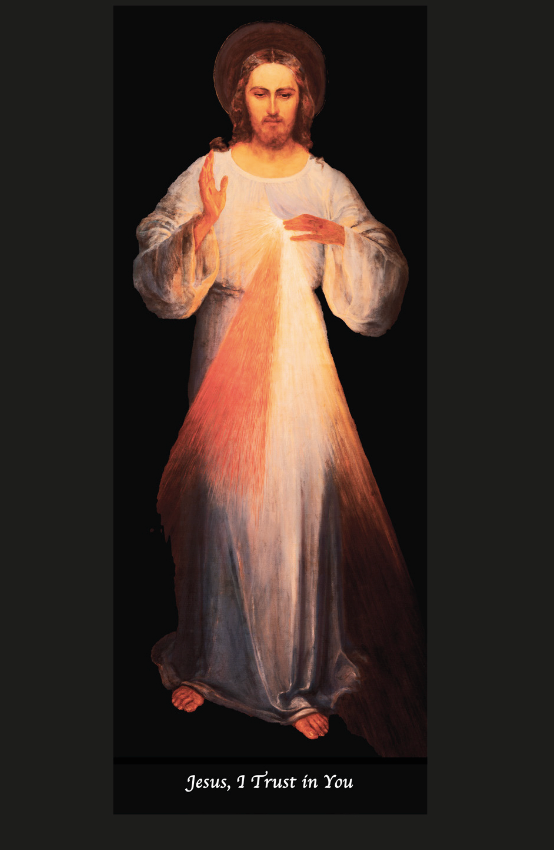
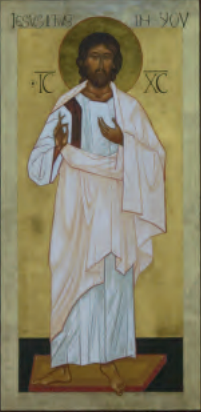
the Icon opposite of Divine Mercy was create
by Monika Walendziak for the Blessed Sacrament Chapel i
St. Mary's Cathedral, Aberdeen.
SAFEGUARDING STANDARDS
The national Safeguarding Standards that apply to all jurisdictions of the Catholic Church in Scotland can be found in detail in the Safeguarding Instruction 'In God's Image', published by the Bishops of Scotland.
Standard 1: Creating and maintaining safe Church environments
We endeavour to ensure that Church environments are welcoming, nurturing and safe. We put measures in place to protect children and vulnerable adults in all church settings and activities.
Standard 2: Safely recruiting clergy, religious, lay employees and volunteers
When admitting men and women to formation for ministry, and when recruiting lay employees & volunteers, we carefully check their suitability for working with children and vulnerable adults.
Standard 3: Responding to safeguarding concerns and allegations of abuse
When alerted to information, concerns and allegations regarding the safety or welfare of child or a vulnerable adult, we respond with care and compassion. We inform the statutory authorities of all allegations of abuse that we receive.
Standard 4: Providing care and support for those who have experienced abuse
We provide a compassionate response to all who disclose any experience of having been abused and we offer them pastoral care, support, and reparation.
Standard 5: Managing and providing care for respondents to allegations of abuse
When an allegation of abuse is received concerning clergy, religious, lay employees or volunteers, we offer pastoral care, support and fair treatment to the respondent and we monitor their conduct and welfare.
Standard 6: Working together to develop a culture of care
Recognising that safeguarding responsibilities are intrinsic to Christian baptism and to the mission of the Church, we all work together, as ordained, consecrated and laypeople, to develop a culture of care in the Church that says "never again" to every form of abuse.
Standard 7: Training and support for all responsible for safeguarding
We require bishops, clergy, religious, lay employees and volunteers to participate in ongoing training and to develop the requisite knowledge, attitudes and skills relevant to their respective roles. We encourage and facilitate the sharing of best safeguarding practice throughout the Church.
Standard 8: Planning for continuous improvement in safeguarding
We evaluate compliance with safeguarding standards and plan improvements to our practice. We participate in annual audits as well as regular independent reviews of safeguarding practice. We provide a process to review how safeguarding complaints were handled.
Safeguarding News and Updates